



Scottish convenience retailers are calling for tougher enforcement and more carefully designed regulations to stop the growing black market in illegal vapes, warning that criminal gangs are exploiting loopholes and undermining legitimate stores.
The Scottish Grocers’ Federation (SGF) said the illicit vape trade is worsening and could intensify further unless new rules are “carefully crafted” as the UK government’s Tobacco and Vapes Bill progresses through Westminster. The Scottish government is expected to introduce secondary legislation on the back of the Bill.
Luke McGarty, SGF’s Head of Policy and Public Affairs, warned that illegal vaping products are increasingly being supplied by organised criminal groups, putting consumers and communities at risk.
“There’s a growing issue of criminal gangs getting involved in black market activity, profiteering from illicit vaping products,” he said. “There are no assurances about the safety of these – and they are getting into the hands of people they shouldn’t. This is harmful to businesses, communities and potentially the health of those buying vaping products illegally.”
 Luke McGartyPhoto: Handout
Disposable single-use vapes were outlawed on June 1 last year, but SGF claims the ban has coincided with a surge in illegal sales. When SGF surveyed members on the impact of the disposables ban, three-quarters agreed it had encouraged the sale and purchase of illicit products.
Guna Sud, whose family operates the RaceTrack convenience stores in Greater Glasgow, said illicit trade has significantly intensified. “Regulation and illicit trade are almost going hand-in-hand,” he said. “Unless more is done about that, it’s just going to keep growing. Illicit trade was there before the ban and – from what we can see – it’s ten-times stronger after it.”
 Guna Sud, right, and Shamly SudPhoto: Handout
SGF is urging more investment to strengthen enforcement and tackle sales to children, arguing that trading standards teams are overstretched. McGarty said: “Trading standards officers work hard. But greater investment is needed to give them the resources to track down those responsible for illicit sales and bring them to justice.”
He added that illegal tobacco already costs HM Revenue and Customs around £2.8bn, warning that the vape black market could drive that figure higher.
Retail crime remains a major concern for the sector, with SGF estimating it costs Scotland’s convenience stores £100m a year – an average of £19,500 per shop.
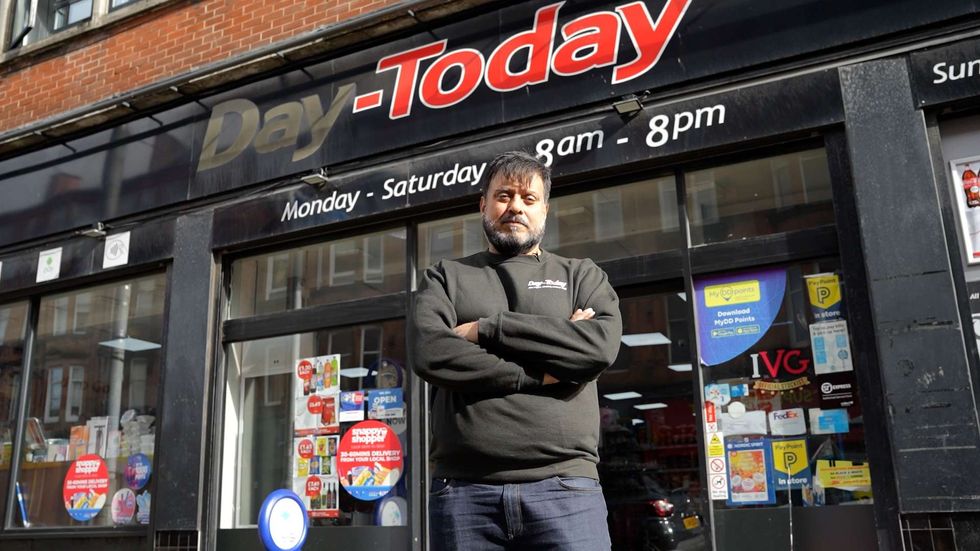 Mohammed RajakPhoto: Handout
Longstanding Glasgow retailer Mohammed Rajak said illicit trade is hitting compliant retailers hardest. “Illicit trade is getting more and more of a headache for retailers like me who comply with the regulations,” he said. “Unfortunately, not enough rogue traders are being caught by trading standards. That’s because these teams are overwhelmed and under-resourced.”
SGF said members believe further cost increases and restrictions around flavours would be most likely to fuel more illegal trade. It also warned that limiting flavours could reduce smoking cessation success among adult quitters.
McGarty said the federation would work with the Scottish government to avoid unintended consequences, including increased abuse of shop staff. “We need to strike a balance that achieves both those aims,” he said.